How Biometric Authentication Features Are Reshaping Access to Live Dealer Blackjack Tables in US-Regulated Apps
Written by Rafael Albrecht · Aug 27, 2026
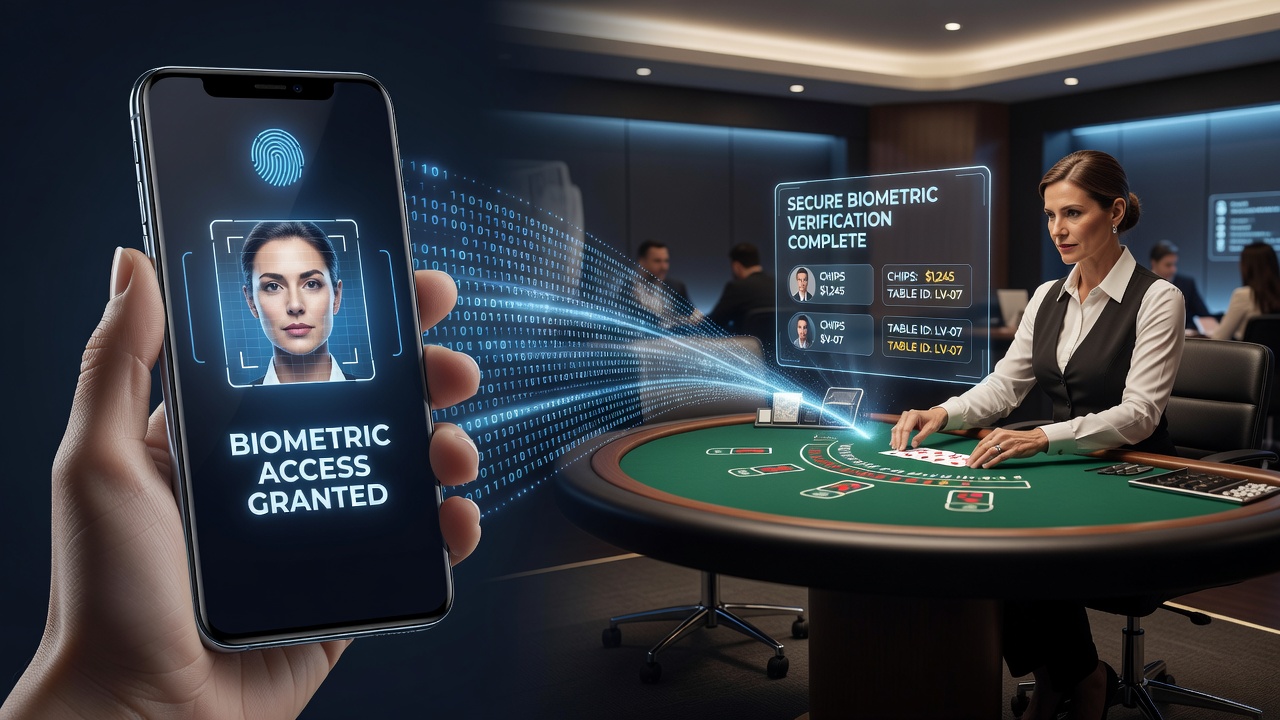
How Biometric Authentication Features Are Reshaping Access to Live Dealer Blackjack Tables in US-Regulated Apps
Biometric authentication has moved from novelty to standard practice across US-regulated mobile platforms offering live dealer blackjack, where fingerprint scanning and facial recognition now handle player verification at the point of entry and during active sessions. Several state gaming commissions have updated their technical standards to accept these methods as compliant alternatives to traditional passwords or PINs, which allows operators to streamline the login process while meeting know-your-customer requirements. Data from regulatory filings shows that adoption rates climbed steadily through 2025, with platforms in New Jersey, Pennsylvania, and Michigan integrating biometric options into their live dealer interfaces by early 2026.
Regulatory Drivers Behind the Shift
State regulators have required multi-factor verification for live table access since the first online blackjack launches, yet password fatigue and account recovery issues prompted reviews of biometric alternatives. In August 2026 the New Jersey Division of Gaming Enforcement issued updated guidelines that explicitly list fingerprint and facial recognition as acceptable primary identifiers when paired with device-level security features. Similar language appears in Michigan Gaming Control Board technical memoranda, which tie biometric use to reduced session timeouts and faster table re-entry for verified users. These changes align with broader efforts to cut fraud incidents, as documented in annual reports from the American Gaming Association that track unauthorized access attempts across participating states.
Technical Implementation in Live Dealer Environments
Live dealer blackjack apps transmit real-time video feeds from studio tables, and any interruption for re-authentication can disrupt gameplay. Biometric prompts now sit inside the app layer rather than forcing users back to a separate login screen, so players complete a quick scan and return to their seat without losing position in the queue. Developers have engineered these checks to run during natural breaks such as card shuffles or dealer changes, which keeps the flow intact. Studies from the University of Nevada, Reno gaming research group indicate that average session continuity improves when facial recognition replaces manual password entry, particularly on devices with secure enclave hardware.

Access Patterns and Player Verification Data
Platform analytics released by operators show higher completion rates for identity checks when biometrics are enabled, especially among users who previously abandoned sessions after repeated password failures. In states that permit biometric primary authentication, the time from app launch to seated at a live blackjack table has shortened, according to aggregated figures shared at industry conferences. Those same reports note that secondary verification steps remain in place for high-value wagers or when device sensors detect anomalies such as changed locations or unusual usage patterns. This layered approach satisfies regulatory audits while reducing friction for routine play.
Security Outcomes Reported Across Jurisdictions
Account takeover attempts involving live dealer blackjack declined in jurisdictions that mandated biometric options alongside existing controls, per compliance summaries filed with state regulators through mid-2026. Facial recognition systems incorporate liveness detection to block static images or recordings, a requirement spelled out in technical standards from multiple gaming control boards. Fingerprint templates stay stored locally on the device rather than in central databases, which limits exposure if server-side breaches occur. Observers tracking these metrics point to fewer disputes over disputed hands once biometric logs confirm the player remained authenticated throughout the round.
Integration Challenges and Ongoing Adjustments
Device compatibility continues to influence rollout speed, since older smartphones lack the secure hardware needed for reliable biometric matching. Operators have responded by maintaining fallback password methods for those devices while encouraging upgrades. Cross-state play agreements add another layer, because a player verified through biometrics in one jurisdiction must meet the standards of the destination state when traveling. Technical working groups formed by the American Gaming Association have begun drafting model language to address these handoffs without requiring repeated full verifications.
Conclusion
Biometric authentication continues to alter how players reach live dealer blackjack tables inside US-regulated apps, driven by regulatory updates, hardware improvements, and measurable reductions in verification friction. As more states refine their technical standards through 2026 and beyond, the pattern of faster, device-bound identity checks appears set to expand across additional live table offerings while preserving the audit trails required by gaming authorities.