Device Preferences Shaping Game Choices in State-Approved Online Gambling Environments
Written by Yves Coleman · Jul 21, 2026
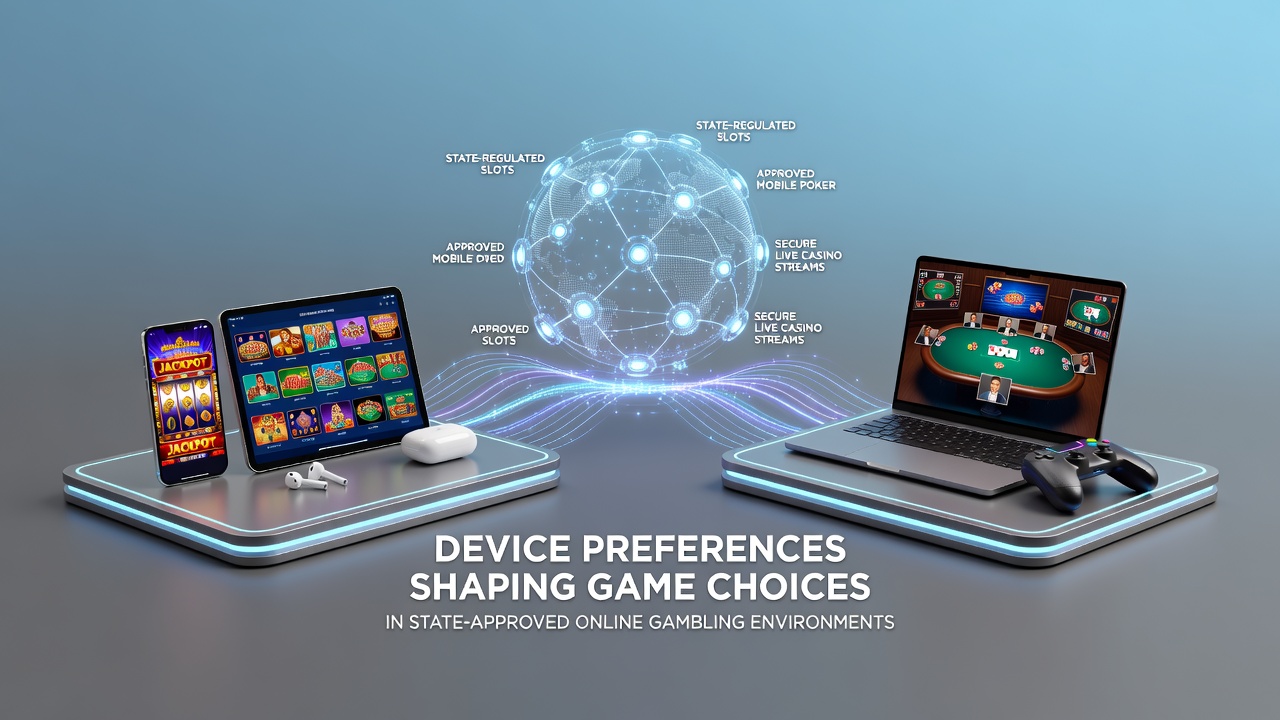
Device Preferences Shaping Game Choices in State-Approved Online Gambling Environments
Device preferences continue to influence how players select games within state-approved online gambling platforms across jurisdictions such as New Jersey, Pennsylvania, Michigan, and West Virginia, where data from regulatory reports tracks usage patterns through July 2026. Mobile devices account for the majority of sessions in these markets, yet desktop and tablet users demonstrate distinct selections that favor certain game categories over others.
Mobile Usage Patterns in Regulated Markets
State gaming commissions collect session data that reveals mobile phones drive most access to slots and quick-play formats, while players on larger screens shift toward table games and live dealer options. Research from the New Jersey Division of Gaming Enforcement shows mobile traffic exceeding 75 percent of total volume in permitted online casinos during the first half of 2026, with slot titles comprising the bulk of those plays because touch interfaces support rapid spins and simplified controls. Desktop sessions, by contrast, register higher engagement with multi-hand blackjack and roulette variants that benefit from expanded screen real estate for tracking multiple bets simultaneously.
Observers note that screen size directly correlates with game complexity, as smaller displays limit visibility of detailed interfaces required for live dealer interactions or strategy-heavy table games. In Michigan, figures released by the Michigan Gaming Control Board indicate tablet users split their activity more evenly between slots and video poker, reflecting the intermediate display capabilities that accommodate both quick sessions and moderate strategy elements without the constraints of phone screens.
Regional Data and Platform Variations
Across permitted states, payment and access logs further illustrate how device type intersects with game availability. Pennsylvania reports from the Pennsylvania Gaming Control Board document that players initiating sessions on desktop computers complete longer average durations on live dealer blackjack tables, whereas mobile entries concentrate on automated slots with shorter play cycles. These patterns hold steady through mid-2026 even as operators introduce device-optimized versions of the same titles.
What's interesting is the consistency across different regulatory frameworks, where data shows mobile dominance persists regardless of whether a state emphasizes sports betting integration or focuses solely on casino-style offerings. Experts tracking these trends point to hardware limitations rather than regulatory differences as the primary driver behind game selection shifts.
Game Type Adaptations by Device
Operators respond to these documented preferences by tailoring game libraries and interface options. Slots designed with vertical scrolling and one-tap mechanics appear more frequently in mobile-first catalogs, while table games receive enhanced multi-touch support and larger button layouts for tablets. Studies compiled by the American Gaming Association track how these adaptations align with session data, revealing that live dealer roulette sees increased play when accessed through tablets compared to smartphones because the wheel and betting area remain visible without excessive zooming.
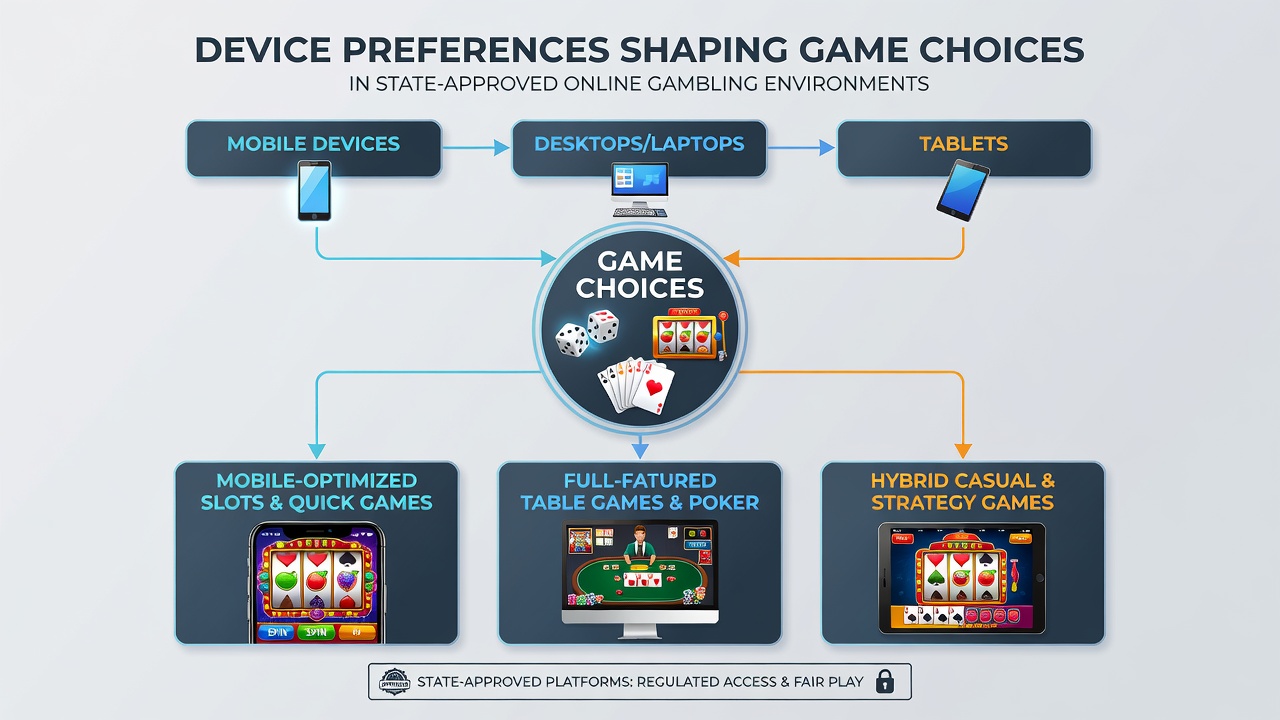
Take one analysis of West Virginia platforms where regulators noted desktop users gravitate toward games requiring sustained attention, such as multi-deck poker variants, while mobile sessions favor instant-win mechanics. This division appears in aggregated logs that separate device categories without revealing individual player identities, maintaining compliance with privacy standards in each jurisdiction.
Payment and Access Integration Trends
Payment processor integrations also reflect device-based preferences, with mobile wallets facilitating quicker deposits that align with short slot sessions, whereas desktop users more often employ bank transfers for extended table game play. Data compiled through 2026 demonstrates these correlations hold across multiple states, suggesting hardware and interface design shape not only game choice but also funding behavior within approved environments.
Those who've examined cross-device analytics note that players switching between phone and computer within the same account tend to select different game categories depending on the active device, reinforcing the pattern without evidence of deliberate strategy on the part of users. Regulatory bodies continue to monitor these metrics to ensure platform fairness and accessibility standards remain consistent regardless of access method.
Conclusion
Device preferences shape game selections in state-approved online gambling through measurable patterns documented in regulatory reports and industry analyses up to July 2026. Mobile dominance drives slot engagement, desktop access favors table games, and tablet usage occupies an intermediate position across jurisdictions including New Jersey, Pennsylvania, Michigan, and West Virginia. These trends emerge from session data collected by state commissions and aggregated by organizations such as the American Gaming Association, providing objective insight into how hardware influences activity within regulated digital environments.